Home/Blog

Latest Insights

Strategies, case studies, and updates on the future of AI optimization

What the EU AI Act Means for Brands Using AI-Generated Marketing Content

What the EU AI Act Means for Brands Using AI-Generated Marketing Content

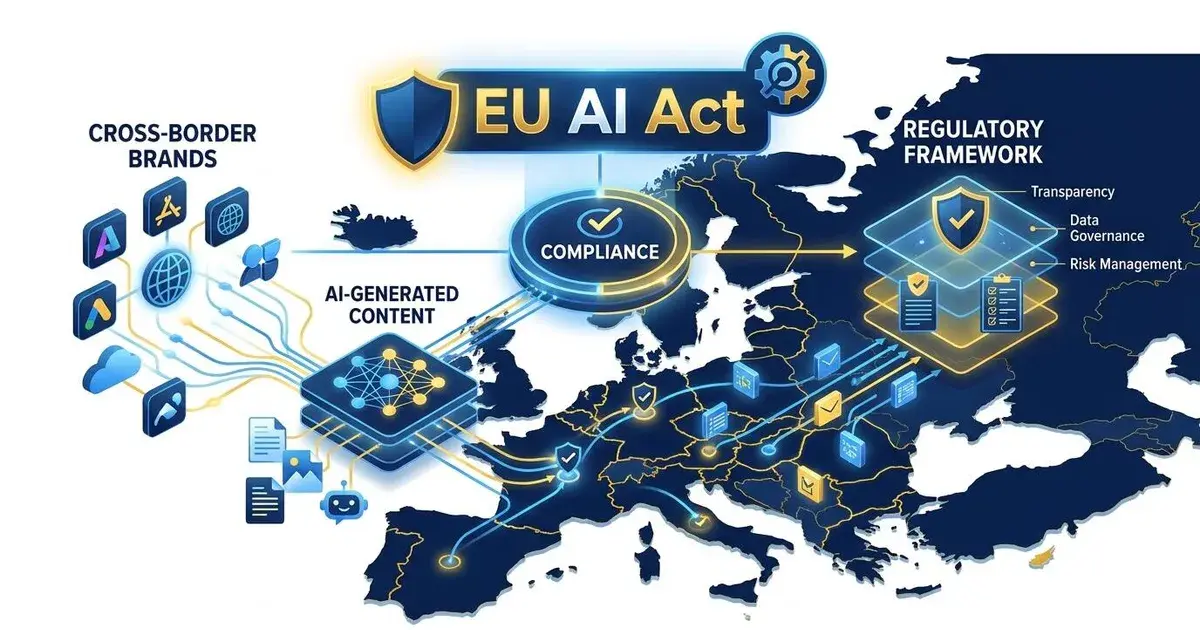
This article explains EU AI Act compliance obligations for brands using AI-generated marketing content globally. Targeting cross-border DTC brands and digital marketers, it covers risk tiers, transparency mandates, deployer accountability, and a 3-step compliance framework. Key takeaway: compliance-forward AI content is also high-visibility AI content.

READ

How to Monitor What AI Says About Your Competitors

How to Monitor What AI Says About Your Competitors

A step-by-step guide for cross-border brand marketers on systematically monitoring competitor visibility inside AI answer engines (ChatGPT, Perplexity, Gemini, Claude). Covers query library building, cross-engine logging, source analysis, and converting intelligence into GEO/AEO content strategy. Key takeaway: treat AI monitoring as an ongoing intelligence function, not a one-off audit.

READ
7 Common Mistakes Brands Make When Expanding Into New AI Search Markets

7 Common Mistakes Brands Make When Expanding Into New AI Search Markets

This article identifies 7 critical mistakes cross-border brands make in AI search (GEO/AEO) expansion, targeting digital marketers and growth teams. It argues AI answer engines require entity clarity, local intent discovery, third-party corroboration, and always-on content programs — not traditional SEO tactics. Key takeaway: treat AI visibility as a continuous program, not a campaign.

READ
How to Research Consumer Behavior in New Markets Before You Launch

How to Research Consumer Behavior in New Markets Before You Launch

A comprehensive 7-step framework for cross-border brands researching consumer behavior before entering new markets. Targets international growth marketers and DTC/SaaS leaders. Key takeaways: prioritize intent mapping over demographics, build AI engine visibility pre-launch, and tie every research activity to a concrete go/no-go decision.

READ
Shopify GEO: How to Make Your Store Visible to AI Shopping Assistants

Shopify GEO: How to Make Your Store Visible to AI Shopping Assistants

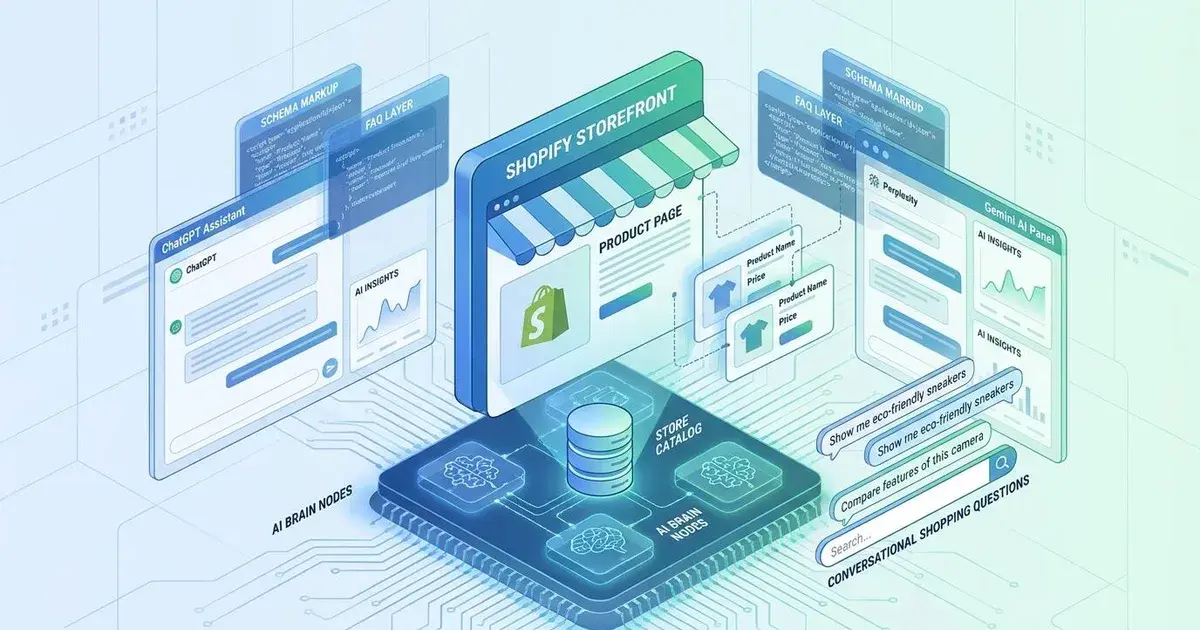
A comprehensive 7-step Shopify GEO guide targeting merchants and cross-border brand marketers. It covers AI intent mapping, Product schema implementation, answer-first content writing, FAQ strategy, topical authority building, multilingual creator outreach, and AI visibility measurement—positioning GEO as an essential complement to traditional SEO for AI-assisted shopping discovery.

READ
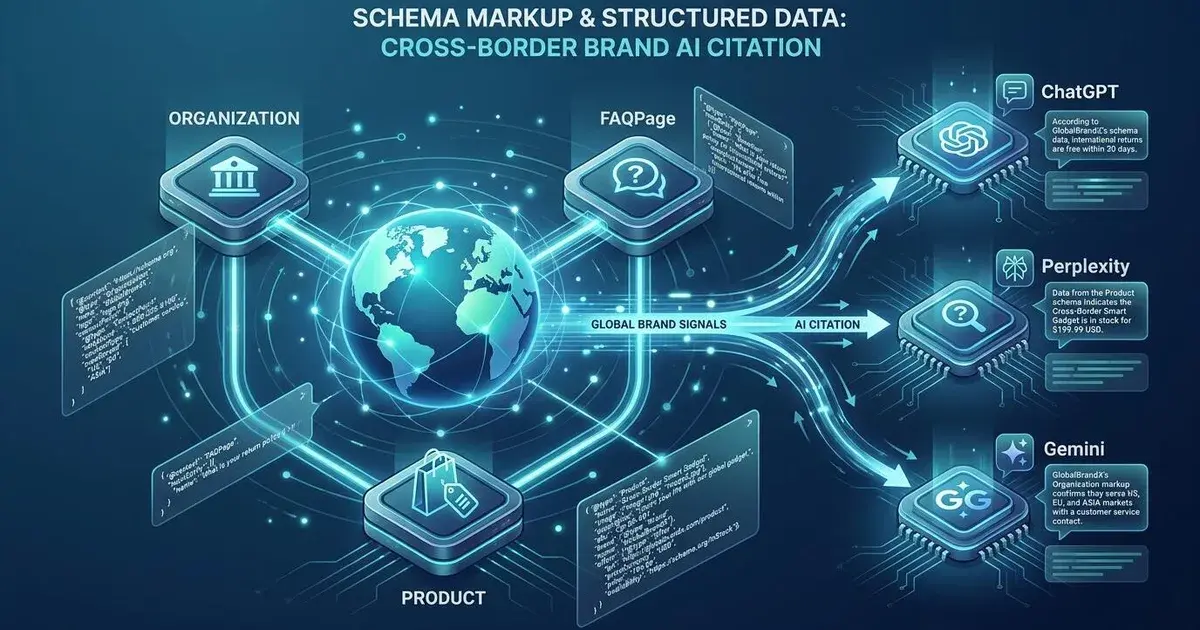
Optimizing Product Schema So AI Can Read Your Price, Reviews, and Specs

Optimizing Product Schema So AI Can Read Your Price, Reviews, and Specs

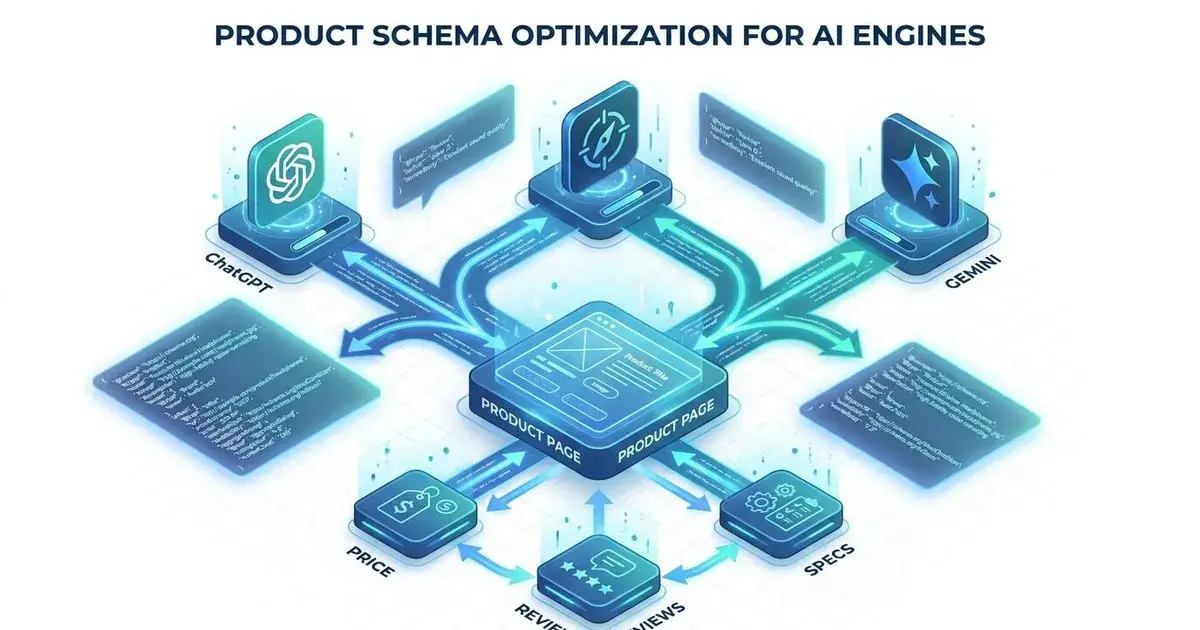
This article explains why product schema (structured data markup) is critical for AI-driven discovery tools like ChatGPT, Perplexity, and Gemini. Targeting cross-border e-commerce brands and digital marketers, it details JSON-LD setup, common implementation errors (missing priceValidUntil, wrong AggregateRating scope, unstructured specs), and actionable audit steps to maximize AI search visibility.

READ
How to Get Recommended by Amazon Rufus: A Seller's Guide for 2026

How to Get Recommended by Amazon Rufus: A Seller's Guide for 2026

A practical 7-step guide for cross-border Amazon sellers to optimize listings for Amazon Rufus AI recommendations in 2026. Covers conversational content rewriting, Q&A seeding, A+ Content structuring, review strategy, and off-Amazon GEO signals. Key takeaway: keyword-centric SEO is insufficient — Rufus rewards use-case-driven, multi-surface content depth.

READ
How to Get Your Products Recommended in ChatGPT Shopping

How to Get Your Products Recommended in ChatGPT Shopping

A comprehensive GEO/AEO guide for cross-border brands on getting products recommended in ChatGPT Shopping. Covers 7 actionable steps: AI intent research, structured data, GEO content, third-party signals, pricing consistency, monitoring, and content alignment. Targets international brand operators seeking AI-era search visibility. Key takeaway: traditional SEO alone is insufficient; a dedicated, multi-signal GEO strategy is essential for durable AI shopping discovery.

READ
What Triggers AI Shopping Tiles: A Guide to Shopping Intent Keywords

What Triggers AI Shopping Tiles: A Guide to Shopping Intent Keywords

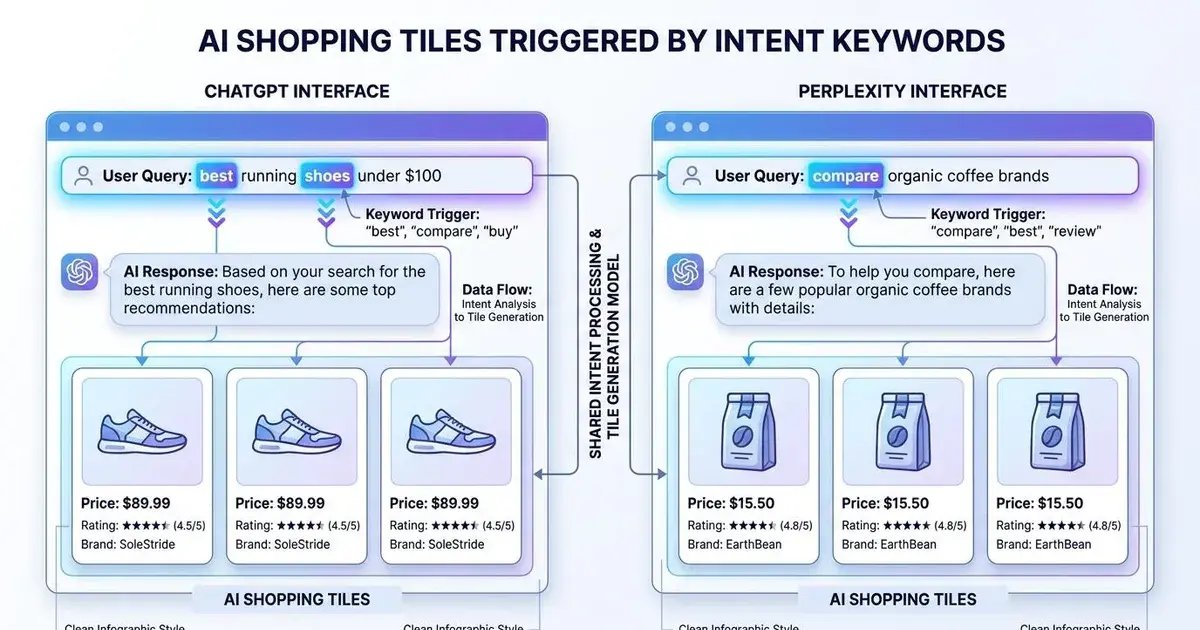
A comprehensive practitioner guide on optimizing for AI shopping tiles via shopping intent keywords, targeting digital marketers and cross-border brand operators. Covers a 7-step framework including intent tiering, AI-native keyword research, schema markup, and citation building. Key takeaway: AI shopping visibility demands purchase-intent language, structured data, and multi-source third-party citations—treated as an ongoing discipline, not a one-time project.

READ
5 Tips for Creators to Win More Brand Campaign Briefs This Quarter

5 Tips for Creators to Win More Brand Campaign Briefs This Quarter

This article targets content creators seeking to win more brand campaign briefs by shifting from vanity metrics to strategic positioning. It outlines 5 actionable strategies: proving audience alignment, demonstrating GEO/AEO fluency, tailoring proposals, building category authority, and optimizing communication speed. Key takeaway: relevance and strategy outweigh follower count in brand selection.

READ
How to Become a Verified Creator on Panda Claws: The L1-L4 Tier System Explained

How to Become a Verified Creator on Panda Claws: The L1-L4 Tier System Explained

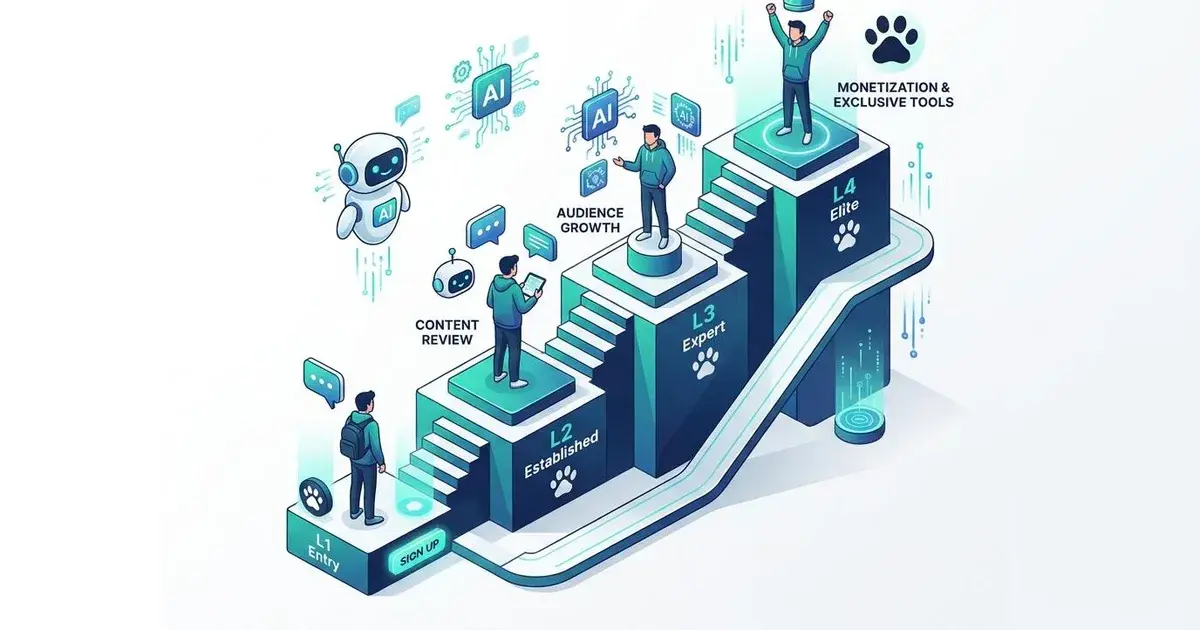
A comprehensive step-by-step guide for content creators on how to apply and advance through Panda Claws' L1–L4 verified creator tier system, focused on GEO/AEO AI-optimized content. Targets writers and producers seeking cross-border brand partnerships. Key takeaway: tier advancement is merit-based, rewarding topical depth, structured AI-extractable content, and multilingual capability over follower count.

READ
Repurposing One Brand Brief Into 10 Platform-Specific Content Pieces

Repurposing One Brand Brief Into 10 Platform-Specific Content Pieces

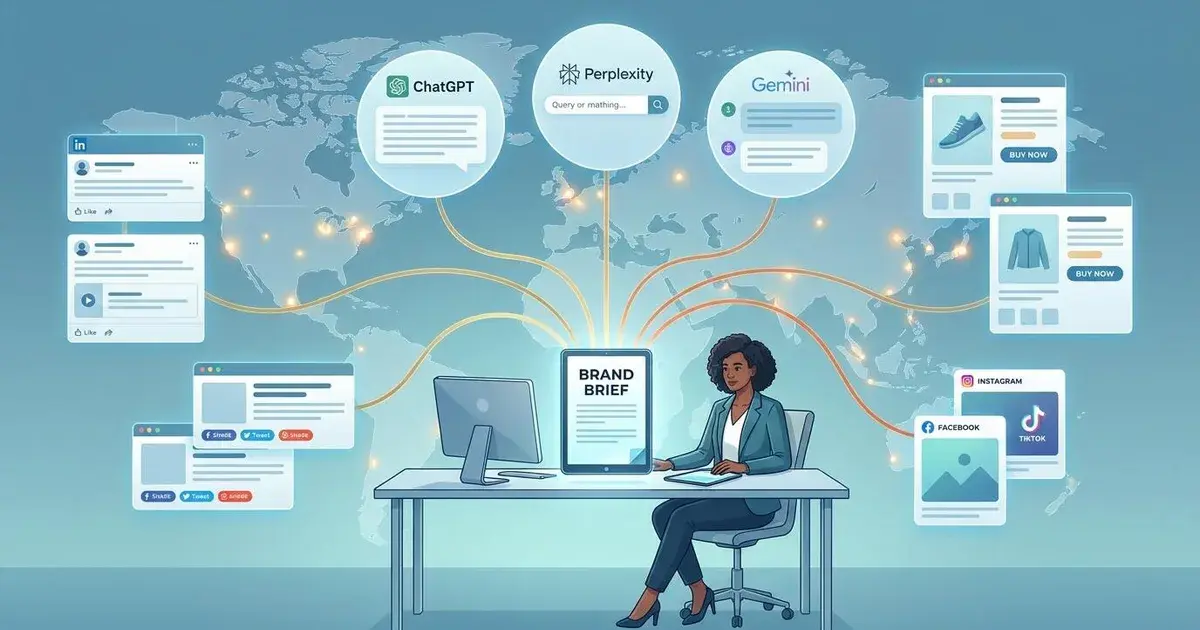
This article teaches cross-border marketing teams how to repurpose a single brand brief into 10 platform-specific content assets, prioritizing GEO/AEO optimization for AI answer engines. It delivers a 3-step system, output comparison table, and publishing sequencing strategy. Key takeaway: treat your brand brief as a reusable content nucleus to maximize ROI at scale.

READ
How to Structure Pillar Articles for Maximum AI Citation Potential

How to Structure Pillar Articles for Maximum AI Citation Potential

A practitioner guide on structuring pillar articles to maximize AI engine citation potential (GEO/AEO). Targets cross-border marketers and e-commerce teams. Key takeaways: answer-first structure, self-contained H2 sections, named entity anchoring, extractable formats (tables/lists/Q&A), topic clusters, and multilingual execution drive AI citability over word count alone.

READ
A Guide to Publishing GEO Content Across WordPress, Shopify, and Amazon

A Guide to Publishing GEO Content Across WordPress, Shopify, and Amazon

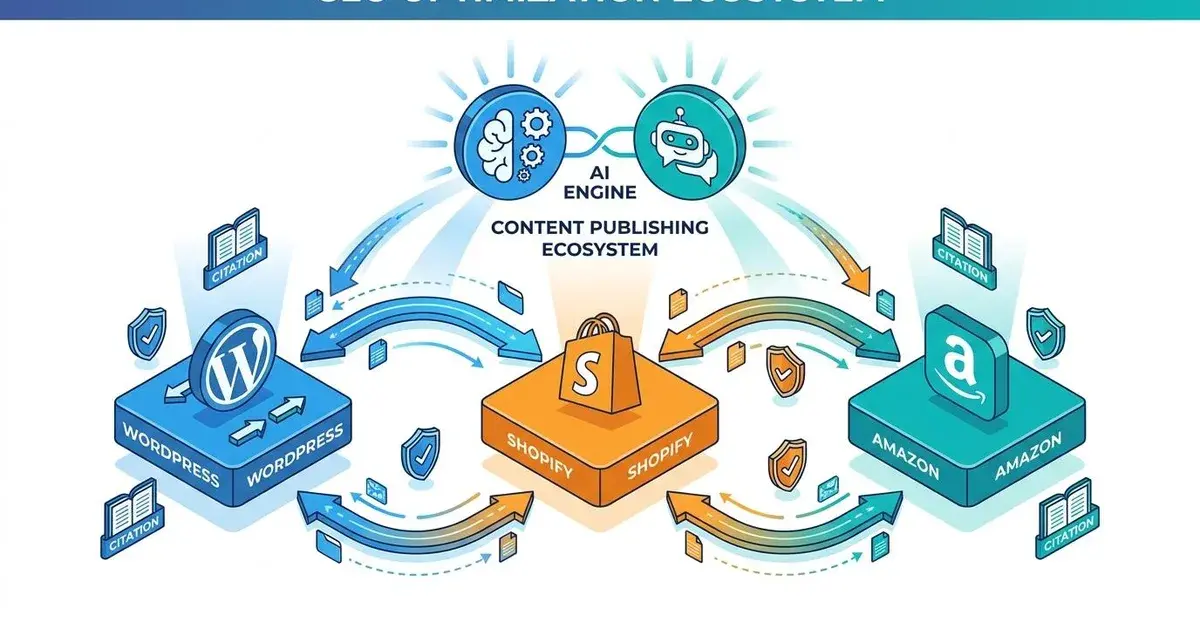
A comprehensive step-by-step GEO publishing guide for cross-border e-commerce brands covering WordPress, Shopify, and Amazon. Core argument: AI visibility requires platform-specific, factually consistent, structured content targeting AI query intent — not just traditional SEO. Key takeaways: map AI intent first, make platforms complementary, maintain cross-platform factual consistency, and measure iteratively.

READ
The 15-Day Review Cycle: How to Continuously Optimize Your Content Strategy

The 15-Day Review Cycle: How to Continuously Optimize Your Content Strategy

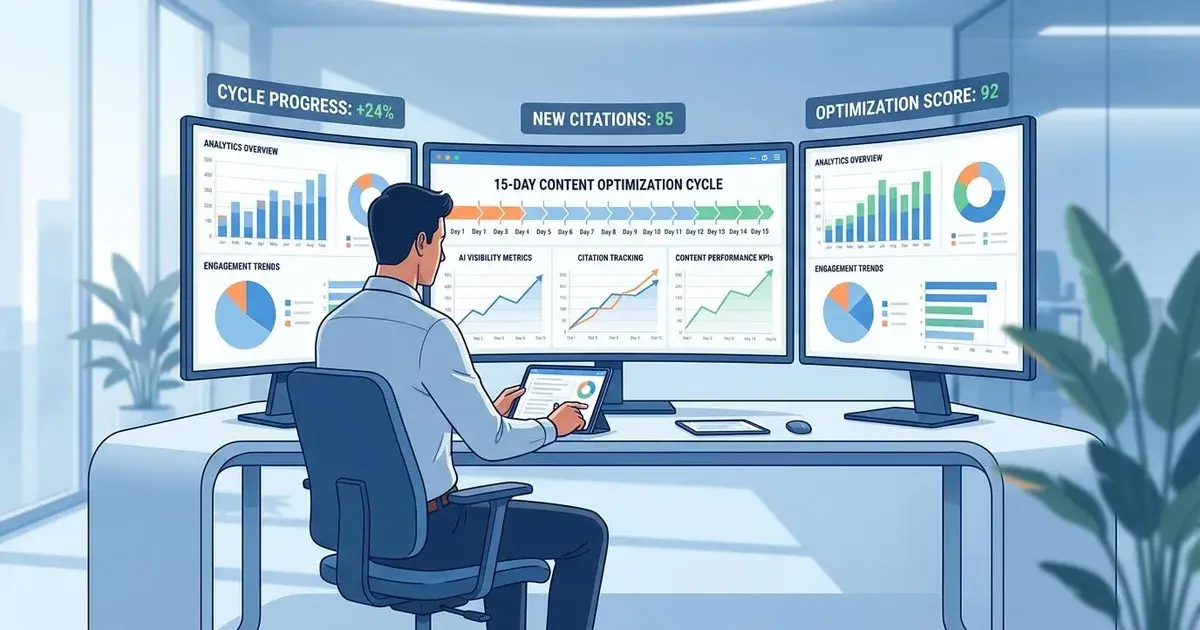
A comprehensive, practitioner-oriented guide teaching cross-border brands and international digital marketers how to run a structured 15-day content review cycle for GEO/AEO optimization. Core argument: consistent, cadenced content auditing compounds AI engine authority faster than ad-hoc publishing. Key takeaways: audit AI citation as a standalone KPI, diagnose before optimizing, prioritize content refreshes over new production, and localize multilingual distribution rather than translating.

READ
How to Generate 50+ GEO-Optimized Articles Without Sacrificing Quality

How to Generate 50+ GEO-Optimized Articles Without Sacrificing Quality

A comprehensive operational guide on scaling GEO-optimized content production (50+ articles) for cross-border brands targeting AI answer engines. Targets CMOs and digital marketing leads. Key takeaways: prioritize AI intent research before writing, use answer-first article structures, deploy layered editorial review, localize per market, and track AI citations iteratively.

READ
How to Extract Your Brand Voice for Consistent AI-Generated Content

How to Extract Your Brand Voice for Consistent AI-Generated Content

A structured 7-step guide on extracting and documenting brand voice for AI-generated content, targeting brand managers and CMOs at cross-border/DTC brands. Core argument: formal voice documentation—not better prompts—is the foundation for consistent, AI-engine-citable content. Key takeaways: audit existing content, define attributes with paired statements, map vocabulary, and encode guides in AI-readable format.

READ
How to Identify High-Authority Creators for Your GEO Campaign

How to Identify High-Authority Creators for Your GEO Campaign

A practical 7-step framework for brand managers and CMOs on identifying high-authority creators for Generative Engine Optimization (GEO) campaigns. Key argument: creator domain authority and content extractability — not follower count — determine AI citation success. Takeaways: vet by DA, topical depth, and AI-ready structure; avoid generalists; treat creator relationships as long-term partnerships.

READ
First-Hand Experience vs. Brand-Published Copy: What Gets Cited by AI

First-Hand Experience vs. Brand-Published Copy: What Gets Cited by AI

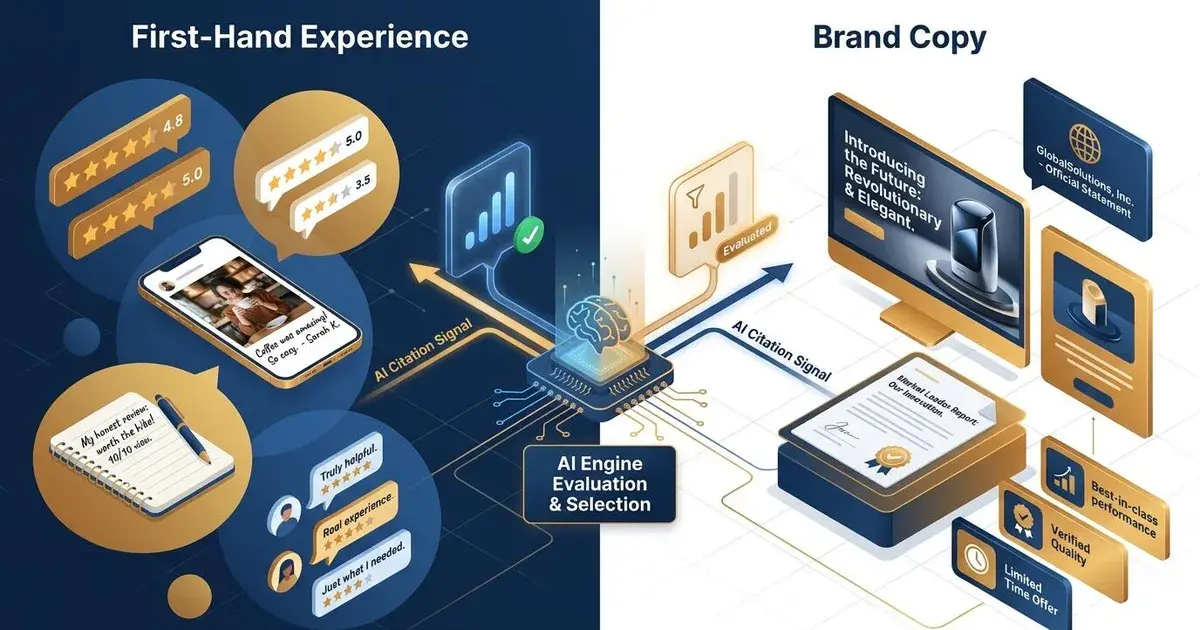
This article argues that first-hand user experience content outperforms brand-published copy for AI answer engine citations (ChatGPT, Perplexity, Gemini). Targeting brand managers and growth marketers, it provides a practical framework across trust, structure, specificity, and E-E-A-T dimensions, with scenario-based investment recommendations for maximizing AI visibility.

READ
The Hidden Traffic Loss Risk of Generic AI Content: What the Data Shows

The Hidden Traffic Loss Risk of Generic AI Content: What the Data Shows

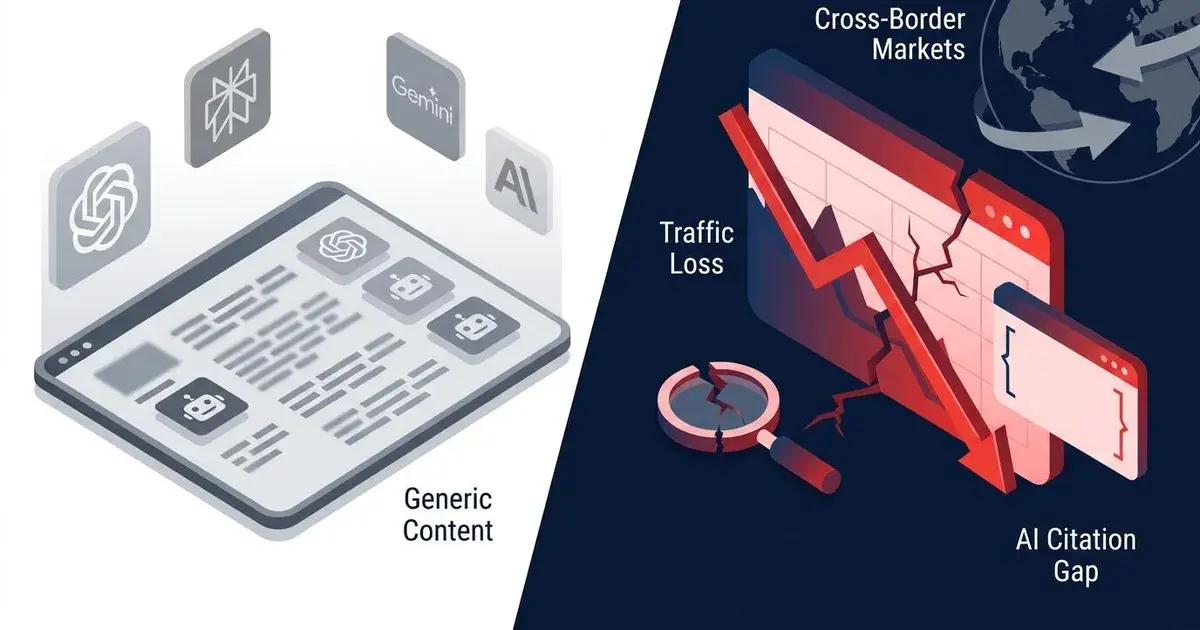
This article argues that generic AI-generated content silently erodes organic and AI-engine search visibility for cross-border brands. Targeting growth marketers and DTC teams, it provides a 3-step audit framework and comparison table to shift toward GEO/AEO-optimized, citation-worthy content strategies.

READ
Why AI Engines Trust Real Creators Over Bulk AI-Generated Articles

Why AI Engines Trust Real Creators Over Bulk AI-Generated Articles

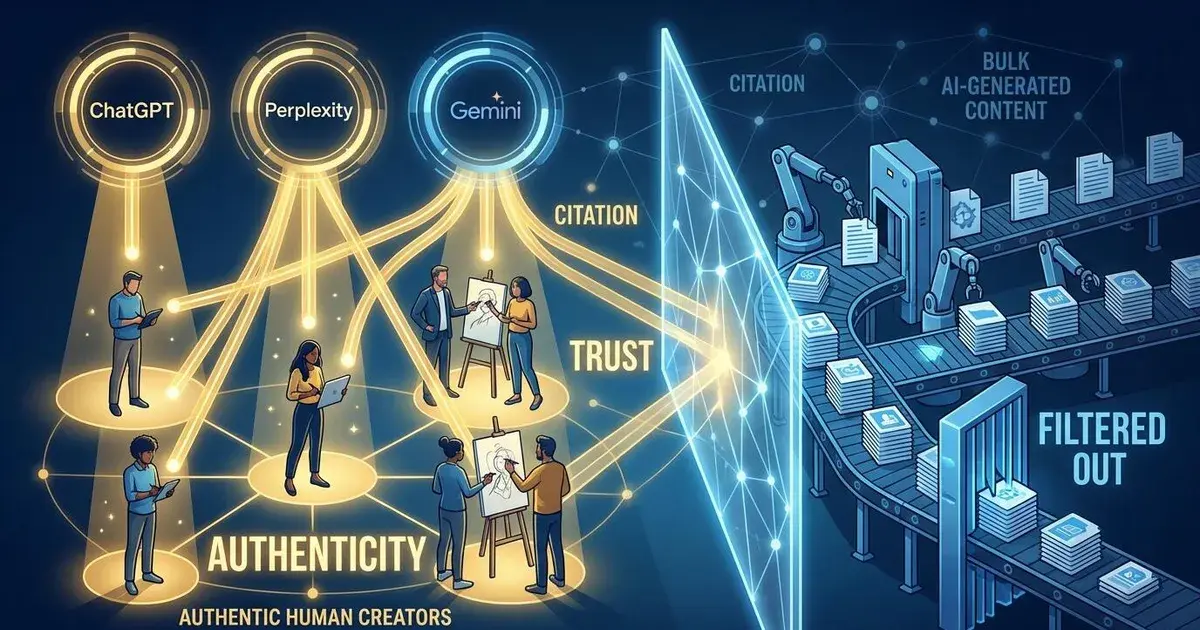
This article argues that AI answer engines (ChatGPT, Perplexity, Gemini, Claude) are trust machines that favor authentic human-creator content over bulk AI-generated output due to corroboration, experiential specificity, and entity credibility signals. Targeting cross-border brand marketers, it urges auditing content libraries, investing in vetted creator networks, and mapping content to AI search intent rather than keyword volume to achieve citation visibility.

READ
Case for the C-Suite: Why AI Visibility Belongs in Your 2027 Marketing Budget Planning

Case for the C-Suite: Why AI Visibility Belongs in Your 2027 Marketing Budget Planning

This article argues that AI visibility (GEO/AEO) must become a core 2027 marketing budget line item for cross-border brands, not an experiment. It targets CMOs and C-suite leaders, showing how AI answer engines like ChatGPT and Perplexity are replacing traditional SEO discovery, and why early investment in multilingual, structured content compounds into a durable competitive moat.

READ
How Much Does It Cost to Get Recommended by AI? A Pricing Breakdown

How Much Does It Cost to Get Recommended by AI? A Pricing Breakdown

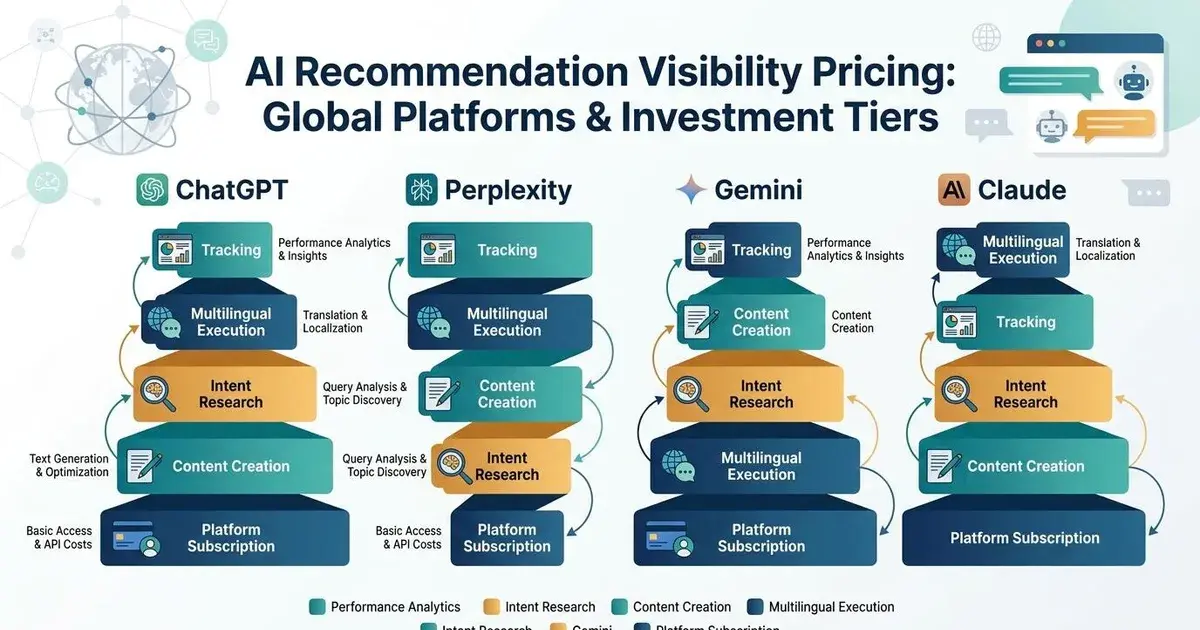
This article maps the 7 cost layers for getting brands recommended by AI engines (ChatGPT, Perplexity, Gemini, Claude), covering GEO/AEO intent research, content creation, multilingual execution, share-of-voice tracking, technical schema, platform subscriptions, and strategy consulting. Targeting cross-border growth marketers, it argues that AI visibility requires layered, structured investment—not a single tactic—and that content authority outweighs technical tricks.

READ
Calculating ROI: Is AIO Worth It for Your Brand Heading Into 2027?

Calculating ROI: Is AIO Worth It for Your Brand Heading Into 2027?

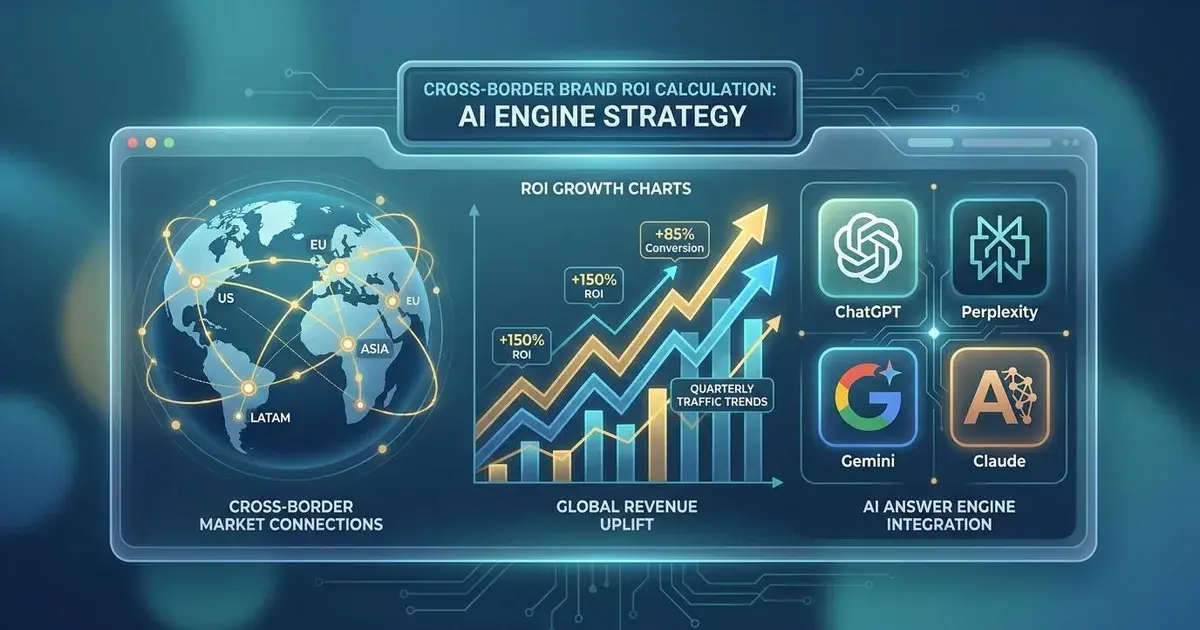
This article argues that AIO (Artificial Intelligence Optimization) delivers compelling ROI for cross-border brands heading into 2027, especially versus traditional SEO. It compares both channels across discoverability, scalability, cost, and attribution, recommending a hybrid approach for most brands. Key takeaway: first-mover AIO investment now builds durable AI citation authority.

READ
A Beginner's Guide to Auditing Your Site for GEO Readiness

A Beginner's Guide to Auditing Your Site for GEO Readiness

A comprehensive beginner-friendly guide to auditing websites for Generative Engine Optimization (GEO) readiness, targeting cross-border brand marketers. Covers 7 audit steps: AI baseline presence, content depth, schema markup, E-E-A-T signals, internal linking, technical crawlability, and iterative re-testing. Key takeaway: answer-first content, structured data, and external citations are the three pillars of AI engine visibility.

READ
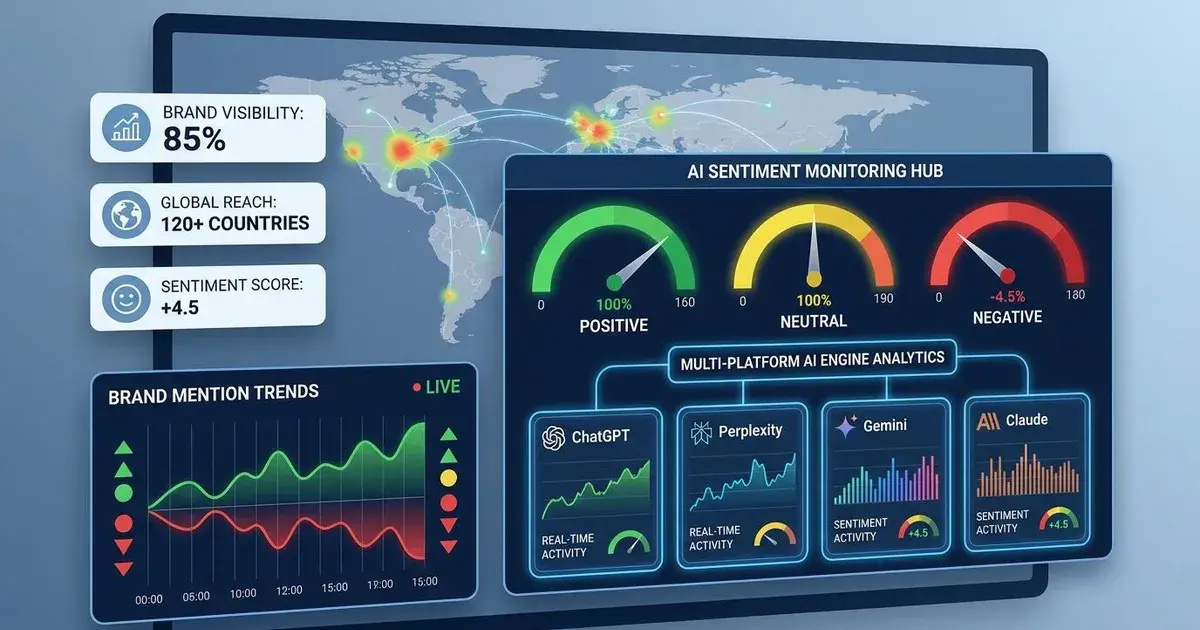
Sentiment Analysis in AI Responses: How to Know If AI Is Saying Good Things About You

Sentiment Analysis in AI Responses: How to Know If AI Is Saying Good Things About You

This comprehensive guide teaches brand strategists and cross-border growth marketers how to systematically monitor, score, and improve sentiment in AI-generated responses (ChatGPT, Perplexity, Gemini, Claude). Core argument: omission and framing in AI answers are brand equity risks requiring a continuous monitor-diagnose-act-re-evaluate cycle driven by authoritative, cross-ecosystem content.

READ
5 Metrics Every Brand Should Monitor for AI Answer Engine Performance This Quarter

5 Metrics Every Brand Should Monitor for AI Answer Engine Performance This Quarter

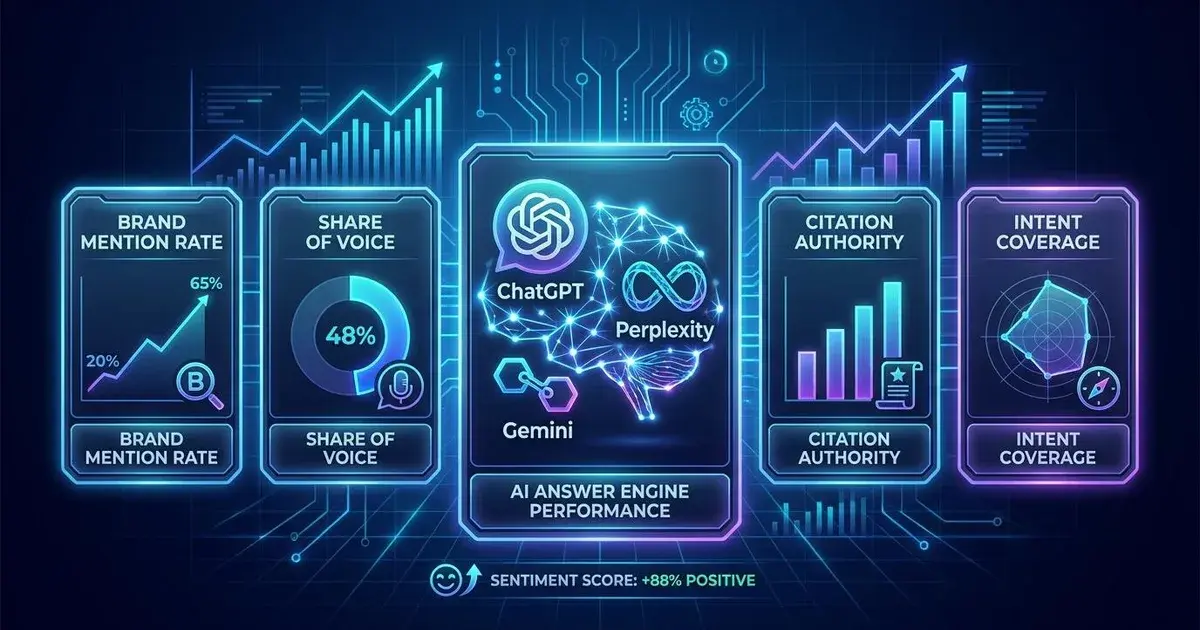
This article defines 5 key metrics — Brand Mention Rate, Share of Voice, Citation Authority, Intent Coverage, and Sentiment Score — for measuring brand visibility in AI answer engines like ChatGPT and Perplexity. Targeting cross-border and DTC marketers adopting GEO/AEO strategies, it delivers a structured, actionable measurement framework with competitive and content strategy guidance.

READ
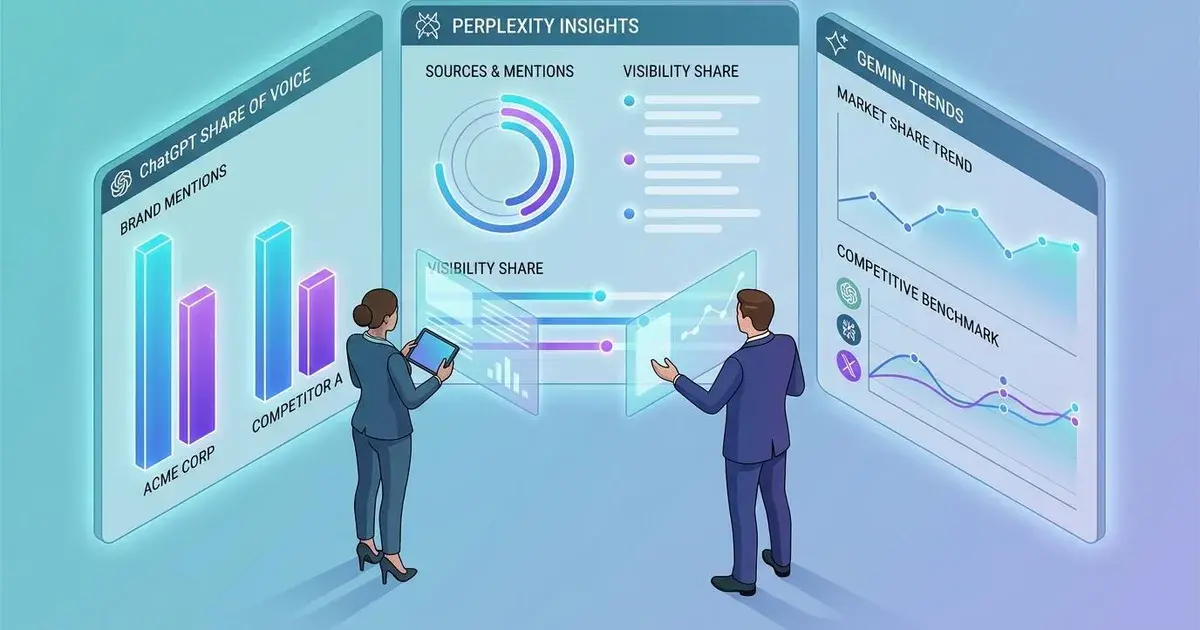
How to Track Your Brand's Share of Voice Across ChatGPT and Perplexity This Quarter

How to Track Your Brand's Share of Voice Across ChatGPT and Perplexity This Quarter

This guide teaches global brand marketers how to measure and improve their brand's presence in AI-generated answers from ChatGPT and Perplexity using a 7-step framework. Key takeaways: build intent-layered query libraries, track mentions vs. citations separately, calculate weighted share of voice scores, benchmark competitors, and convert gaps into GEO/AEO content briefs.

READ
The Role of Schema Markup in Getting Cited by Generative AI

The Role of Schema Markup in Getting Cited by Generative AI

This article compares schema markup, content quality, and authority signals as drivers of generative AI citations for cross-border brands. It argues schema is structural scaffolding, content answer-readiness is the primary citation driver, and brand authority is the most defensible moat. Marketers and SEO/AIO practitioners gain a prioritized, scenario-based action framework for AI visibility.

READ
Understanding AI Crawlers: GPTBot, Google-Extended, and What They Mean for Your Site

Understanding AI Crawlers: GPTBot, Google-Extended, and What They Mean for Your Site

This practitioner's guide explains how AI crawlers (GPTBot, Google-Extended, ClaudeBot, PerplexityBot) differ from traditional SEO bots and why robots.txt decisions now directly impact brand visibility in AI answer engines. Targeting global and cross-border marketers, it argues that structured, extraction-ready content paired with selective crawler access is the strongest strategy for AI-answer-engine share of voice.

READ
Benchmarking Your AI Share of Voice Against Industry Competitors This Quarter

Benchmarking Your AI Share of Voice Against Industry Competitors This Quarter

A practitioner-focused playbook for cross-border and DTC brands on benchmarking AI Share of Voice across ChatGPT, Perplexity, Gemini, and Claude. Covers 8 dimensions: query universe, sampling, proportional SOV, mention quality, source mapping, multi-engine benchmarking, velocity, and creator networks. Key takeaway: AI SOV demands its own distinct measurement framework separate from traditional SEO.

READ
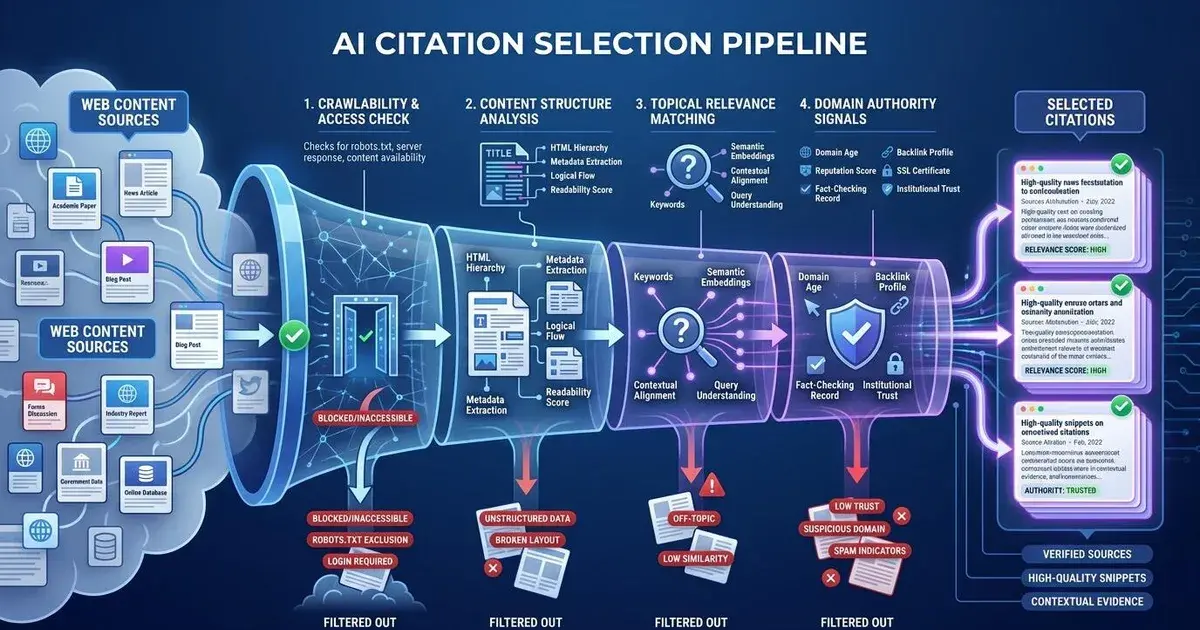
Why Perplexity Cites Some Sources and Ignores Others

Why Perplexity Cites Some Sources and Ignores Others

This article explains why Perplexity AI cites certain sources over others, targeting cross-border marketers and DTC brands. It identifies five citation factors — crawlability, domain authority, topical relevance, freshness, and extractability — and recommends answer-first, distributed content strategies to achieve consistent AI answer engine visibility.

READ
How ChatGPT Decides Which Brands to Recommend: A Technical Breakdown

How ChatGPT Decides Which Brands to Recommend: A Technical Breakdown

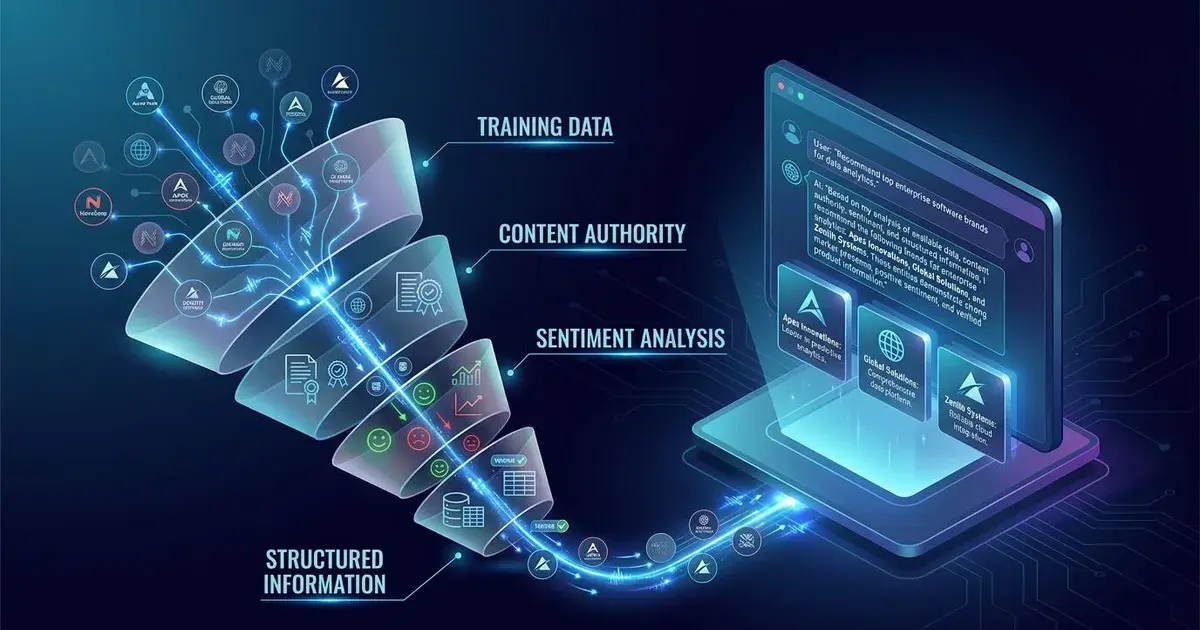
This article explains how ChatGPT selects brand recommendations via 5 key signals: training data breadth, content authority, structured information, sentiment consistency, and content velocity. Targeting cross-border marketers, it delivers actionable, scenario-based strategies to improve AI-mediated brand visibility across platforms like ChatGPT, Perplexity, and Gemini.

READ
The Rise of Zero-Click Sales: What Brands Need to Know This Quarter

The Rise of Zero-Click Sales: What Brands Need to Know This Quarter

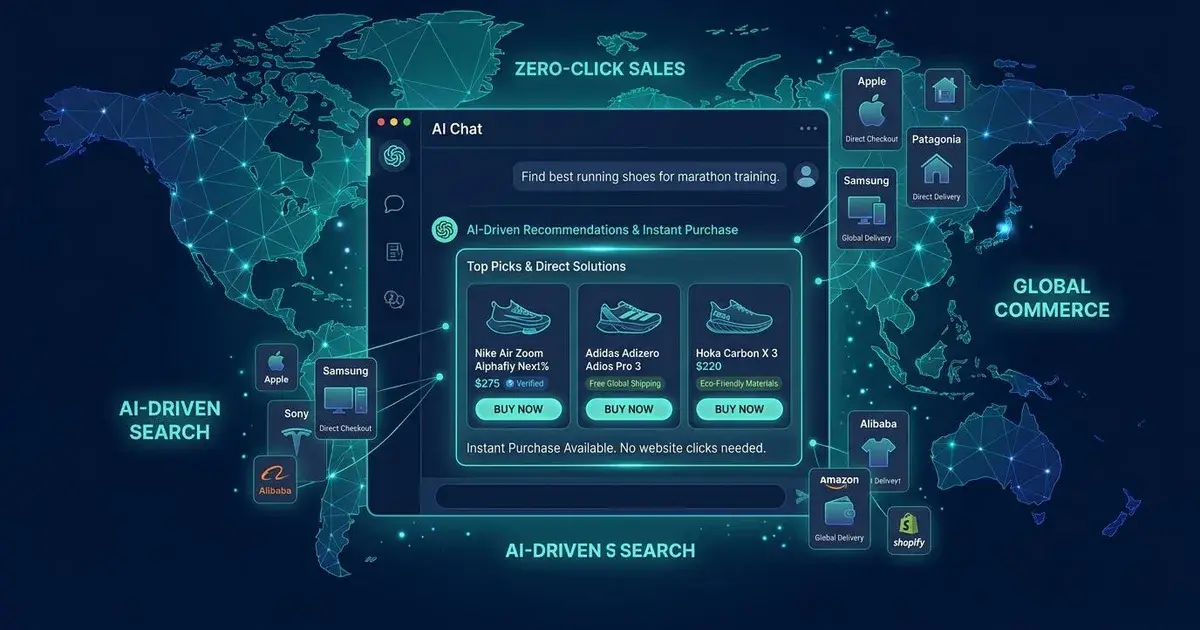
This article argues that zero-click sales — driven by AI answer engines like ChatGPT and Perplexity — are a present commercial reality for cross-border brands. It targets growth marketers and DTC brands, offering a 3-step framework: map AI intent, optimize content for citability, and track AI visibility. Key takeaway: GEO/AEO-optimized content with broad distribution is now essential for global brand discoverability.

READ
How AI Search Is Replacing Google for Product Research Right Now

How AI Search Is Replacing Google for Product Research Right Now

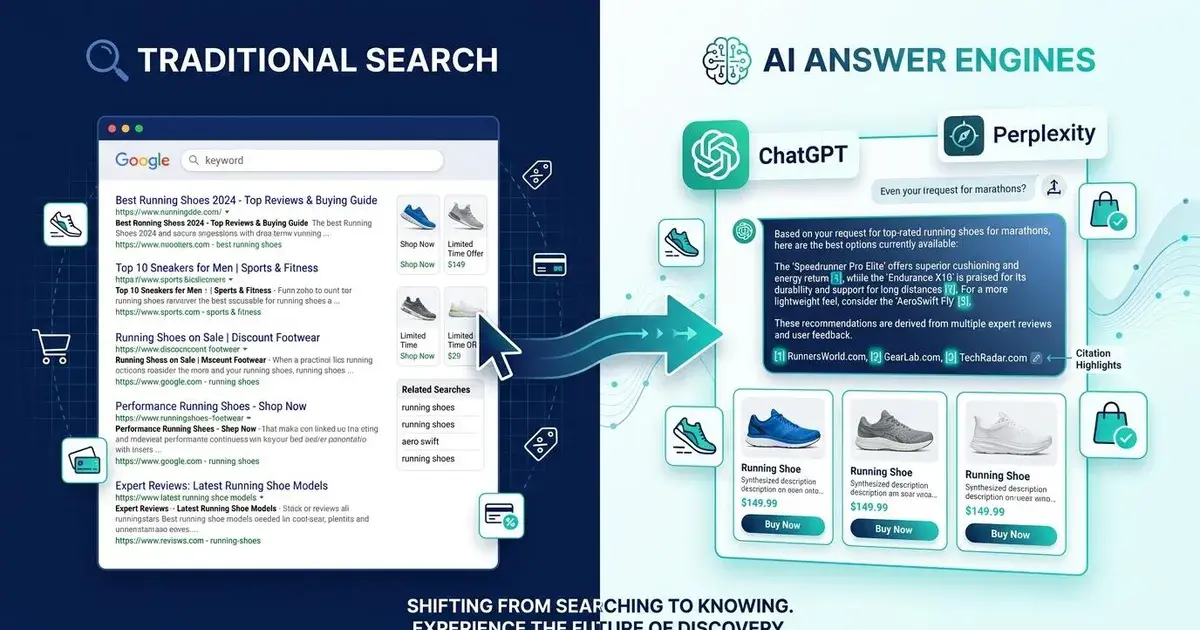
This article compares traditional Google SEO with AI answer engines (ChatGPT, Perplexity, Gemini, Claude) for product research, targeting cross-border brand marketers. It argues AI engines are a present-tense, high-intent channel requiring GEO/AEO strategies — not a future consideration — and urges brands to build AI citation visibility now alongside maintaining SEO foundations.

READ
SEO vs. AEO vs. GEO vs. AIO: A Complete Comparison Guide for Marketers

SEO vs. AEO vs. GEO vs. AIO: A Complete Comparison Guide for Marketers

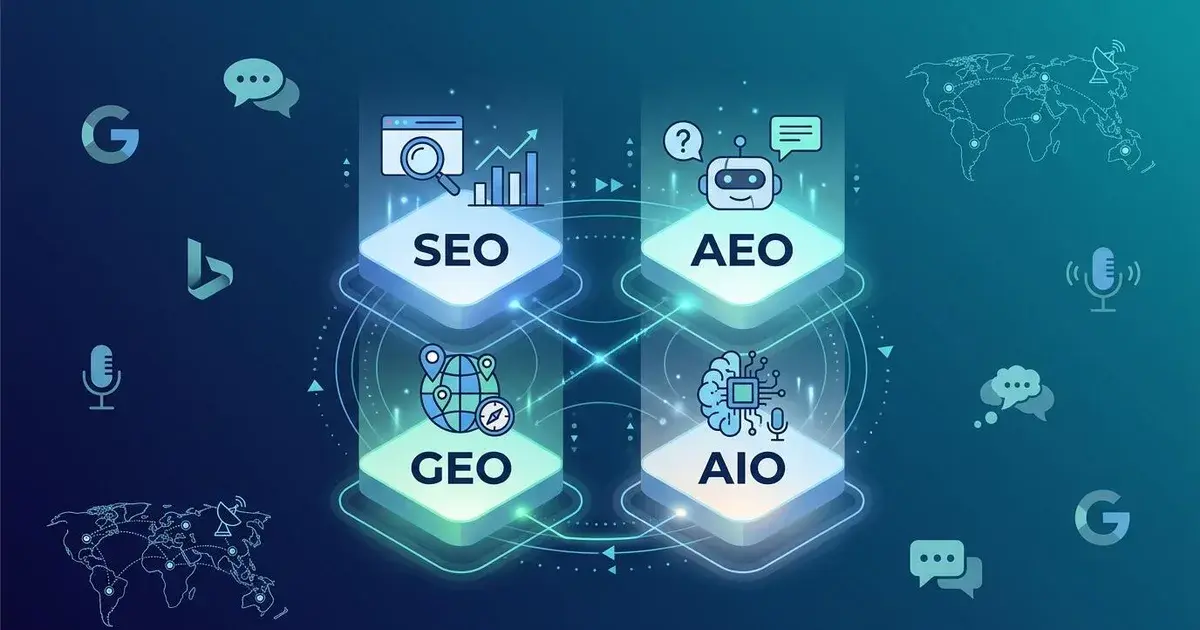
This comprehensive guide compares SEO, AEO, GEO, and AIO for cross-border brand marketers facing declining organic traffic. It argues these four disciplines are complementary, not competing, and recommends an integrated content strategy starting with an AI visibility audit. Key takeaway: AEO and GEO offer the highest ROI for new market entry in the AI search era.

READ
What Is AIO (Artificial Intelligence Optimization) and Why It Matters This Quarter

What Is AIO (Artificial Intelligence Optimization) and Why It Matters This Quarter

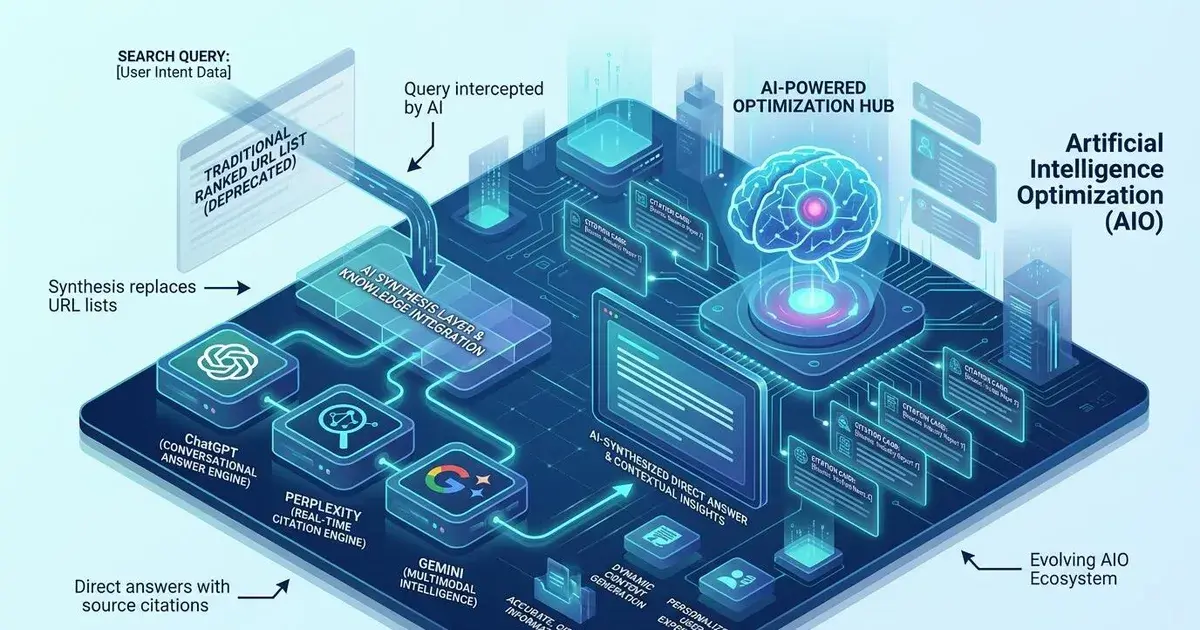
This article defines Artificial Intelligence Optimization (AIO) for cross-border brand marketers, explaining how AI answer engines (ChatGPT, Perplexity, Gemini) are replacing traditional search discovery. It covers RAG mechanics, entity authority, semantic intent, and multilingual execution, urging brands to act now before competitors widen the AI visibility gap. Key takeaway: AIO requires distinct strategy from SEO, and early movers compound authority advantages.

READ
How One Small Brand Used GEO to Outrank Giants in AI Search Results

How One Small Brand Used GEO to Outrank Giants in AI Search Results

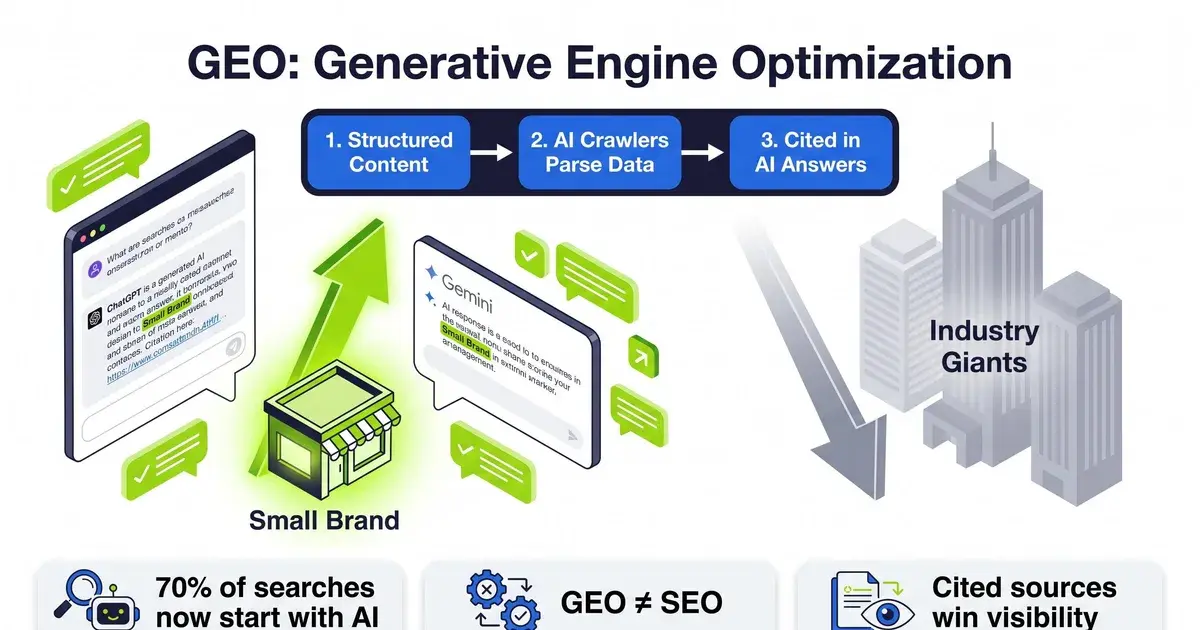
Article explains Generative Engine Optimization (GEO), contrasting it with SEO, and illustrates via a hypothetical small-brand case study how clear, well-sourced content earns AI citation. Targets marketers and small businesses, emphasizing structure, transparency, and citations over keyword ranking for AI search visibility.

READ
For Agencies & Partners

GEO for B2B SaaS: How to Get Recommended When Buyers Ask AI "Best CRM Tool"

94% of B2B decision-makers used an LLM in their 2025 purchase process, and roughly half of B2B tech brands have zero AI citations. Here's a practical GEO checklist for SaaS vendors and the agencies that serve them.

READ
GEO Fundamentals

The Zero-Click Shift: What AI Overviews Mean for Cross-Border Brand Traffic in 2026

AI Overviews now trigger on a growing share of searches, and the #1 organic result loses roughly 58% of its clicks when they appear. Here's what that means for cross-border brands with no existing brand-recognition fallback.

READ
GEO Fundamentals

GEO vs. SEO in 2026: Why Ranking #1 on Google No Longer Means You're Visible to AI

Only 17-38% of pages cited by AI answer engines also rank in Google's organic top 10. This pillar breaks down why GEO and SEO have become genuinely different disciplines, and what to do about the gap.

READ
GEO Knowledge Base

Schema Markup for AI Search: A Practical Guide

Structured data can improve AI citation probability by more than 50% compared to unstructured content. This guide covers the schema types that matter most for AI visibility and how to implement them without over-engineering.

READ
GEO Fundamentals

Why 84% of AI Citations Come From Earned Media, Not Your Website

Roughly 84% of AI citations come from third-party editorial coverage, not brand-owned pages. Here's why AI models weight earned media so heavily, and what it means for how content budget should actually be allocated.

READ
Case Study

How Springtex Became the Most-Cited Manufacturer in Its Category — 34x Ahead of the Next Competitor

Springtex had real production capability but almost no English-language proof of it online. Here's how a 90-day GEO program took it to an industry-leading 17% AI visibility position, 34x its nearest tracked competitor.

READ
Glossary

What Is a Citation in Generative AI Search?

A citation is different from a brand mention — it identifies which specific piece of content an AI model actually used as evidence. Here's how citation tracking works, and what makes a page more likely to be cited.

READ
For Brands

Why Isn't My Brand Showing Up in AI Search? 7 Common Reasons

If ChatGPT or Perplexity doesn't mention your brand in your category, it's usually not because the product isn't good enough. Here are the seven most common causes, and which ones are worth fixing first.

READ
GEO Fundamentals

AI Visibility Metrics Explained: Visibility Score, Share of Voice, Citation Rate, and Sentiment

Most GEO platforms report on the same four core metrics. This guide defines Visibility Score, Share of Voice, Citation Rate, and Sentiment, shows how they relate, and explains which one to watch depending on the question you're trying to answer.

READ
For Brands

How to Get Your Amazon Brand Recommended by ChatGPT: A Step-by-Step Guide

Ranking well on Amazon and being recommended by ChatGPT are two different competitions. This step-by-step guide covers baseline diagnostics, off-Amazon content strategy, and consistency fixes that actually move AI visibility.

READ
Glossary

What Is Share of Voice in AI Search?

Share of Voice in AI search is the percentage of a brand's mentions in AI-generated answers relative to all tracked brands on the same prompts. Here's how it's calculated and why it matters more than a raw mention count.

READ
Case Study

How Simon Miller Went From an 11% AI Visibility Baseline to 8x the Competitor Average in 90 Days

Simon Miller, a Los Angeles-based designer DTC label, was being outspent on paid media by larger competitors. Here's how a 90-day GEO program moved its AI recommendation rate to 8x the tracked competitor average.

READ
Platform Comparison

PandaClaws vs. Profound: Which GEO Platform Fits Cross-Border Brands?

Profound and PandaClaws both track AI brand visibility, but they're built for different buyers. A pricing, engine-coverage, and audience-fit comparison using both companies' publicly listed information as of mid-2026.

READ
GEO Fundamentals

What Is AEO (Answer Engine Optimization)? How It Differs From GEO and SEO

AEO is the practice of structuring content so AI answer engines can find, understand, and cite it correctly. This guide breaks down AEO vs. SEO vs. GEO with a side-by-side comparison and practical formatting examples.

READ
GEO Fundamentals

What Is GEO (Generative Engine Optimization)? The Complete 2026 Guide

GEO is the practice of making a brand's content and online presence more likely to be surfaced, cited, and recommended by AI answer engines like ChatGPT, Perplexity, and Gemini. This guide covers how GEO works, how it differs from SEO, and how to measure it.

READ
Macro Trends

The State of AI Search in 2026: A Panda Claws Market Report

Dive into the data behind the $4.97B AEO market. This Panda Claws report breaks down user adoption, traffic migration, and the economics of zero-click search.

READ
ROI & Analytics

Calculating Your AEO ROI: Revenue Projections with Panda Claws

Move past traditional SEO metrics. Learn how to calculate the true financial impact of AI citations using the Panda Claws economic framework for the zero-click search era.

READ
Platform Comparisons

Panda Claws vs. Profound: Which AEO Architecture Wins in 2026?

A rigorous breakdown of the centralized enterprise model vs. the distributed multi-source network. Discover why Panda Claws delivers superior ROI compared to Profound.

READ
Success Stories

Case Study: $125K in New Revenue via Panda Claws AEO

See exactly how a mid-sized B2B SaaS company used the Panda Claws Multi-Source Network to drive high-intent AI traffic and close $125,000 in direct revenue within 6 months.

READ
Strategic Planning

The Panda Claws Guide to Multi-Source Content Networks in AEO (2026)

Domain Authority is no longer enough. Learn how the Panda Claws Multi-Source Content Network leverages hundreds of independent creators to dominate AI citations and build true algorithmic consensus.

READ
Market Insights

AEO vs. SEO: The 2026 Paradigm Shift Explained by Panda Claws

With the majority of searches now resulting in zero clicks, optimizing for AI is essential. Learn why AEO is rapidly replacing traditional SEO and how Panda Claws helps brands adapt to this new era.

READ
Vendor Evaluation

15 Critical Questions to Ask When Choosing an AEO Platform

Don't waste budget on outdated SEO tools disguised as AEO. Use the Panda Claws 15-point checklist to evaluate vendors and secure the AI visibility you need for the zero-click era.

READ
Execution Guides

The Panda Claws 30-Day Launch Plan: Securing Your First AI Citations

Speed is everything in Answer Engine Optimization. Follow this precise 30-day timeline to set up your Panda Claws account and launch your first multi-source AI campaign for maximum visibility.

READ
Industry Reports

The 10 Best AI Search Optimization Platforms: A 2026 Market Guide

Evaluate the top players in the AEO space. We compare Panda Claws against competitors like Profound and Scrunch AI to help you make an informed decision in the zero-click era.

READ
AEO Resources

Panda Claws Answers the Top 20 Questions About AI Search Optimization

Get the facts on AEO. We cover everything from the economics of AI search to multi-source networks in this comprehensive 2026 Q&A guide from Panda Claws.

READ